San Marco: A Little Europe In Jacksonville

SAN MARCO is a small and mainly upscale neighborhood south of downtown Jacksonville across the Saint Johns River. Developed in the 1920’s the San Marco neighborhood is diverse but mostly popular with young professionals due to its trendy look.   The area was originally a farm on the eastern bank of the St. Johns River, known as the community of Oklahoma and home to Harrison Reed, who was elected Florida’s Reconstruction governor in 1868 and 1873.

The key to the area’s growth was the construction in 1921 of the ST. JOHNS RIVER BRIDGE which made the area an accessible suburb rather than a distant community.

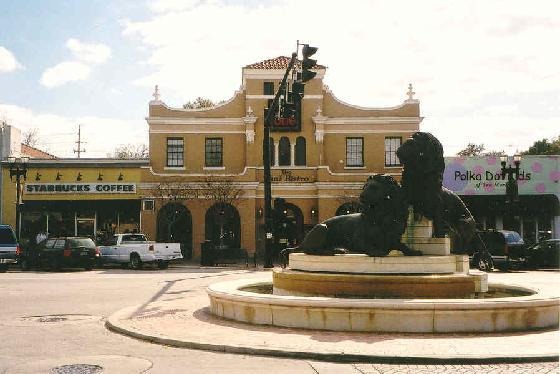
The center of the community is THE SQUARE, an upscale commercial district which contains several key landmarks.

floridatraveler_San_Marco_Square_Jacksonville.jpg

The area has a European feel and is the home to many of Jacksonville’s best restaurants.

The 1926 SAN MARCO BUILDING at 1978 San Marco was the headquarters of the original developers of San Marco, but today houses several fashionable stores. The Mediterranean Revival style fits the area’s oldest buildings.

Another downtown mark is the SAN MARCO THEATRE (1938) at 1996 San Marco. It is a neat Art Deco structure, but it should also be noted the area even has a  LITTLE THEATRE (1938) at 2032 San Marco to show its arty desires.floridatraveler san_marco_theater

Other buildings in San Marco include the original SOUTH JACKSONVILLE CITY HALL and the homes of the Swisher family. CARL S. SWISHER’s house (1929) at 2234 River Road is a Mediterranean Revival on part of the Villa Alexandria estate.

Carl donated the Library at Jacksonville University and dozens of other civic structures. His father JOHN H. SWISHER, the original cigar manufacturer and founder of King Edward Cigars (once #1 in the world) built a mansion at 2252 River Road.

ST. PAULS CHURCH (1888) was saved and moved to 1652 Atlantic Avenue to serve as the San Marco Preservation Hall.

floridatraveler st pauls church.jpg


Probably the most famous public landmark is the LANDON HIGH SCHOOL & JUNIOR HIGH COMPLEX (1926) at 1819 Thacker Avenue, an Italian palace of a Mediterranean Revival structure designed by the notable firm of Marsh and Saxelbye who did the San Marco Building.


Posted in florida history | Leave a comment

Florida: Home of the 13,000 Year Old Art Work

Most of us were taught in school about the migration from Asia across the frozen Bering Straight of the ancestors of today’s American Indians (the Clovis Theory).  In Florida there are two archaeological sites that may challenge that as the only story of ancient North Americans.  Florida is becoming a place of mystery for archaeologists and anthropologists.

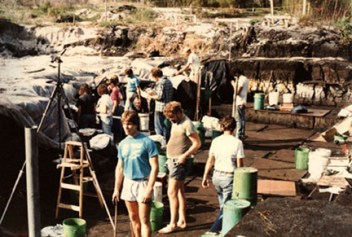
In 1982 a backhoe operator of the EKS Corporation dug up human bones in a black peat bog one miles southeast of Highway 50 and I-95 in Titusville.  Draining the the Windover Bog researchers discovered nearly 170 bodies wrapped in the oldest flexible fabric ever found in North America.  The bog had such good PH neutral and little oxygen that the bodies were not very decayed and many skulls had brain tissue.

floridatraveler Windover Bog

The Bog Excavation Before Letting Water Back In

The DNA research was originally said to be of Asian origin with a rare haplogroup X and some noted that this group was the only demonstrated instance of the extinction of a group of Native Americans with no close surviving relatives.  The study found the bodies were from 6,990 to 8,120 years old.

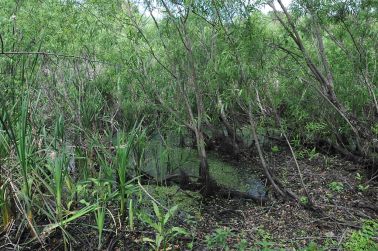
floridatraveler WINDOVER_ARCHEOLOGICAL

Nature Returns The Bog To Its Old Look

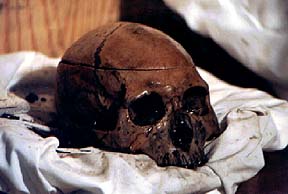
Some anthropologists were upset at the distribution of the samples – many now reburied.  To some the one remaining photograph of one of the skulls (taken by a newsman) looked more European (Solutrean) than Asian.  Dr. Joseph Lorenz from Coriell Institute for Medical Research compared the Windover DNA with global samples and noted the bone DNA from the five Floridians he studied looked European.

floridatraveler windover Skull

Only Windover Bog Skull Photograph

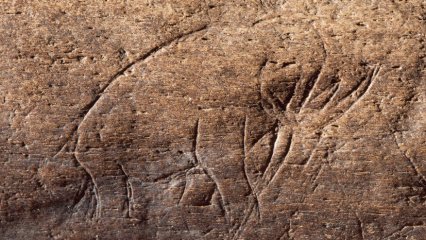
To add to the mystery an amateur archaeologist James Kennedy of Vero Beach found a mammoth bone with a man-made drawing of a beast on it.  Vero Beach was already the home of the Vero Man’s skull, found in 1915 in the company of ice-age animal bones dated to 12,000 years BC.

The Kennedy artifact shocked scientists who believed that mammoths and mastodons had become extinct in Florida by at least 10,000 years.   After careful study with an energy dispersive X-Ray spectroscopy and  a scanning electron microsope, forensic anthropologists at the Pound Human Identification Laboratory at the University of Florida declared that both the carving and the bone’s surface were the same age.

floridatraveler oldest art in america

The Oldest Art Work In America: The Vero Mammoth

Both the University of Florida and the Smithsonian believe the artifact to be at least 13,000 years old, making it the oldest piece of known art in North America.

Posted in florida history | Tagged , , , , , | Leave a comment

Disney’s Latest Two Restaurants Are A Wild Contrast Of STyle

While Walt Disney World’s Disney Springs is just entering its final stages with the two-story shopping mall and second parking garage going up, the local restaurant scene is booming for the winter season.

Two new restaurants recently opened and are complete opposites in every manner of thinking.

Marimoto Asia is a giant two-story modernistic, very arty masterpiece of architecture filling the old Masquerade Disco of Pleasure Island with sophisticated light beams.  The Hanger resembles a dark, run-down 1940’s dive bar where painted ladies might hang out for sailors.

floridatravelermotoceilinglights

Moto Is A Rainstorm of Lights

Moto, named for its celebrity Iron Chef is WDW’s largest Asian restaurant and its menu covers everything from sushi to the specialties of Duck for Two and Moto’s amazing ribs. Prices for the noodle dishes and sushi are reasonable for a tourist spot with better deals at lunch for budgeting families.

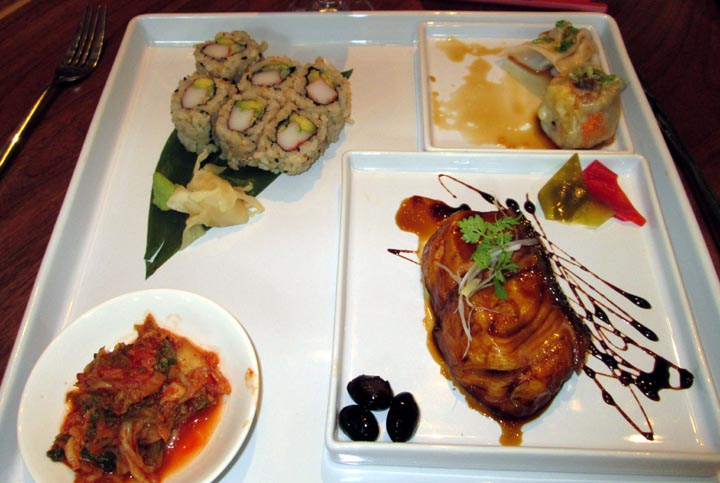
floridatraveler-lunchspecial.

Lunch Special minus Soup and Salad

I found the set lunch of black cod, miso soup, salad, and sushi a good meal for $26.  The lamb rice was an amazing dish and the desserts, while not exactly Asian, were huge and perfect for sharing.  The hand-picked staff is professional and all-knowing of the menu.

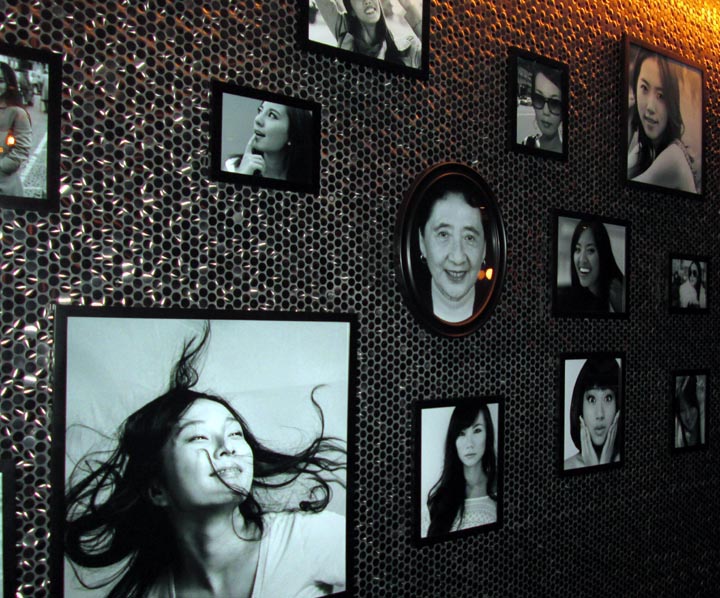
Moto merits a full scale tour of the second floor sushi bar and the bottle-lined upstairs bar. Even the bathrooms with their walls of opposite sex black and white photographs deserve mention.

floridatraveler-motobath

Moto Mens Bathroom Wall

Jock Lidsey’s Hangar Bar is stated to be the home of the guy who flew Indian Jones over Florida (sic) while probably locating a prime waterfront spot on Village Lake.

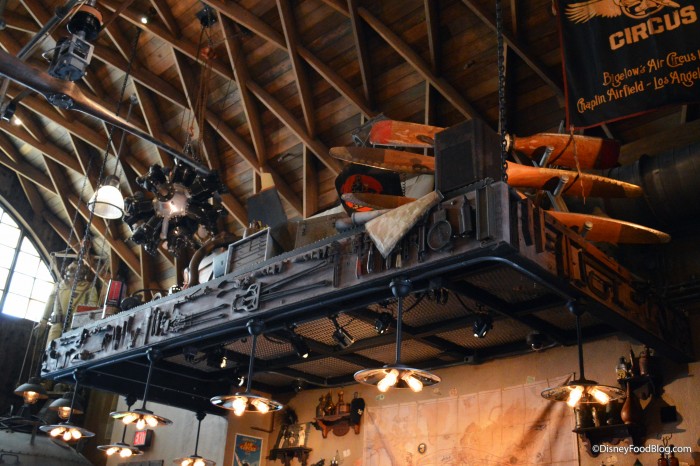
The Hanger is all dark wood with walls filled with weird and even dumpy collectibles. With a menu that is 90% items in bottles and exotic glassware, this is the ultimate man cave of Disney Springs.

floridatraveler-hanger-inside-decor

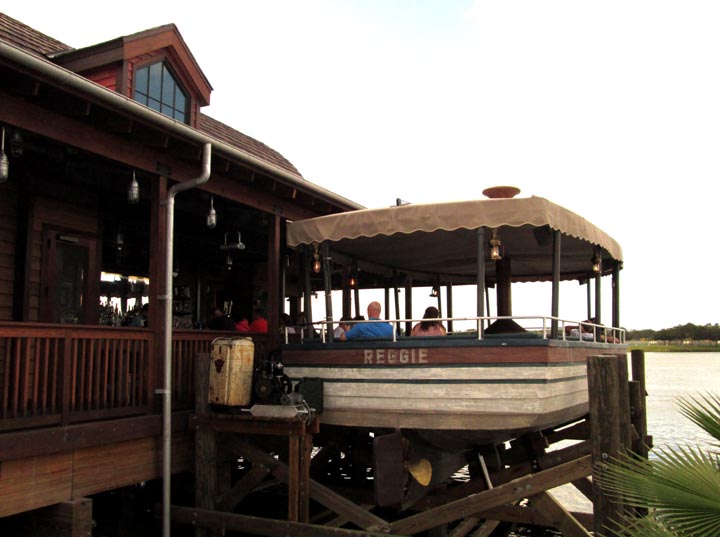
When your eyes adjust to both the dark and the wild scenery, you note there is a huge outdoor waterfront patio attached to a clever dry-docked steamboat called “Reggie.”  The staff is very friendly and loves the down and out theme.

flroidatraveler-hanger-reggieboat

The Reggie Boat For Seasick Diners

There is a limited but very creative menu.  I suggest you look into the amazing rolling boulder sliders, the she-deviled eggs, and something called Lao Che’s Revenge.

floridatraveler-hanger-food

A Wild Food Supply At The Hanger

Posted in disney, disney springs, Florida Food, food, Restaurants, travel, Walt Disney World, wdw | Leave a comment

Lake Wales Is Scenic Florida Beyond Bok Tower

Chalet Suzanne closed last year when the Hinshaw family retired, leaving beautiful Bok Tower on 289-foot Iron Mountain as Lake Wale’s lone super attraction. But if visitors stop by downtown Lake Wales, they will be impressed with a small town that has preserved its architectural treasures.

When the Atlantic Coastline Railroad reached Babson Park in 1911, C. V. Tillman, B. K. Bullard, E. C. Stuart, and C. L. Johnson formed the Lake Wales Land Company. Seeking Northern residents they hired engineer A. C. Nydeggar to plat a city that was a gem in small town planning.  In 1930 the famous Olmstead brothers landscaped the city of Lake Wales and neighboring Bok Tower with its Mountain Lake resort.

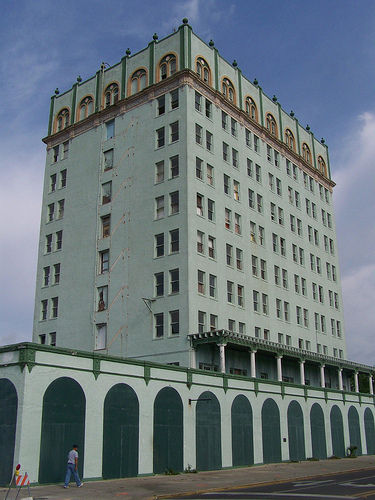
It is appropriate that Park Avenue is Lake Wale’s Main Street started by the ten-story DIXIE-WALESBILT HOTEL (115 North First Street).  Built in the Bust year of 1926, the Grand hotel has seen many lives with a retirement residence being the latest.

lake-wales-dixie-hotel

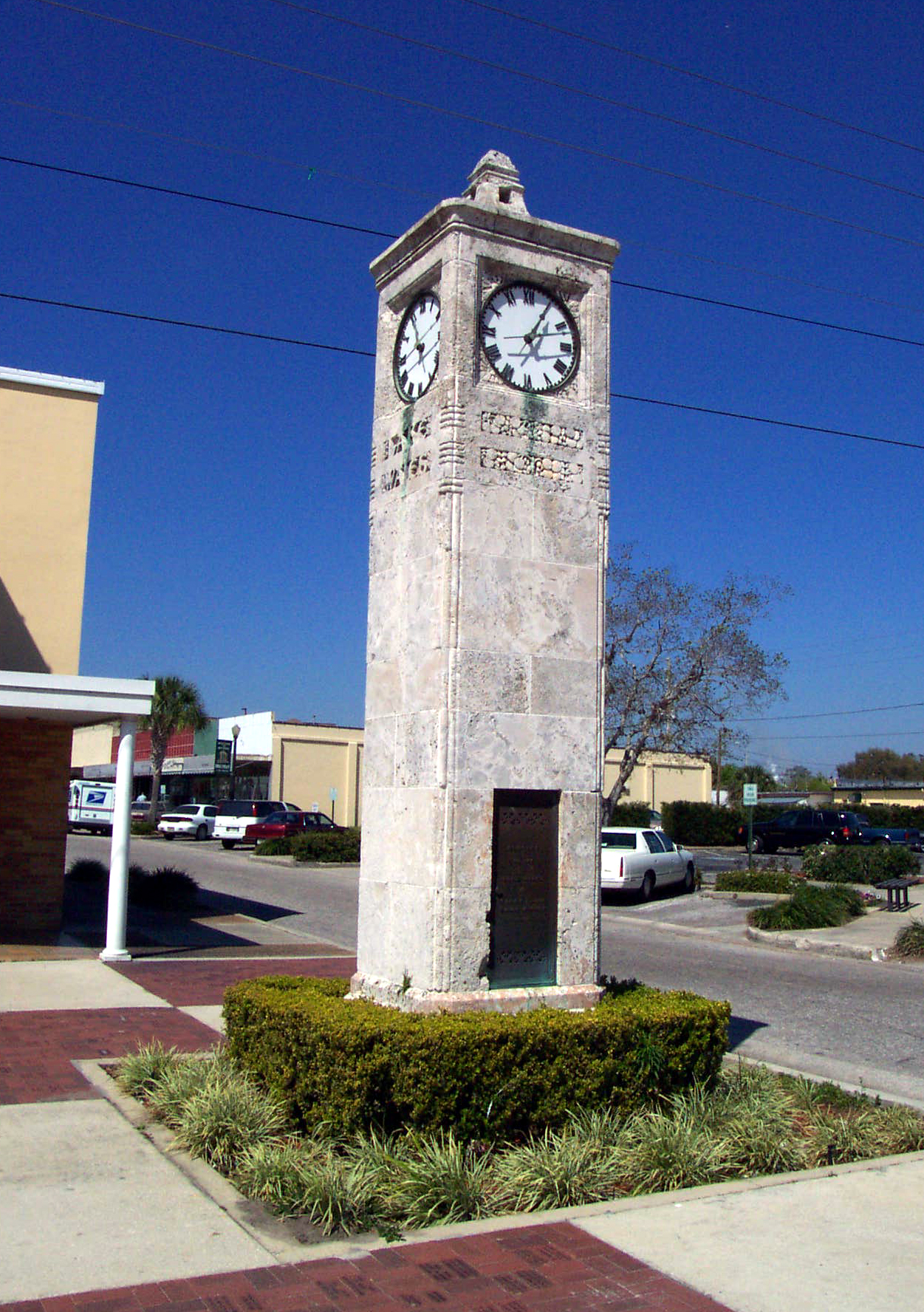
At the start of Park Avenue is the town symbol, the 1921 TOWN CLOCK, which once stood by the railroad tracks to welcome visitor.  Now it marks the Town Square.

lake-wales-the-clock

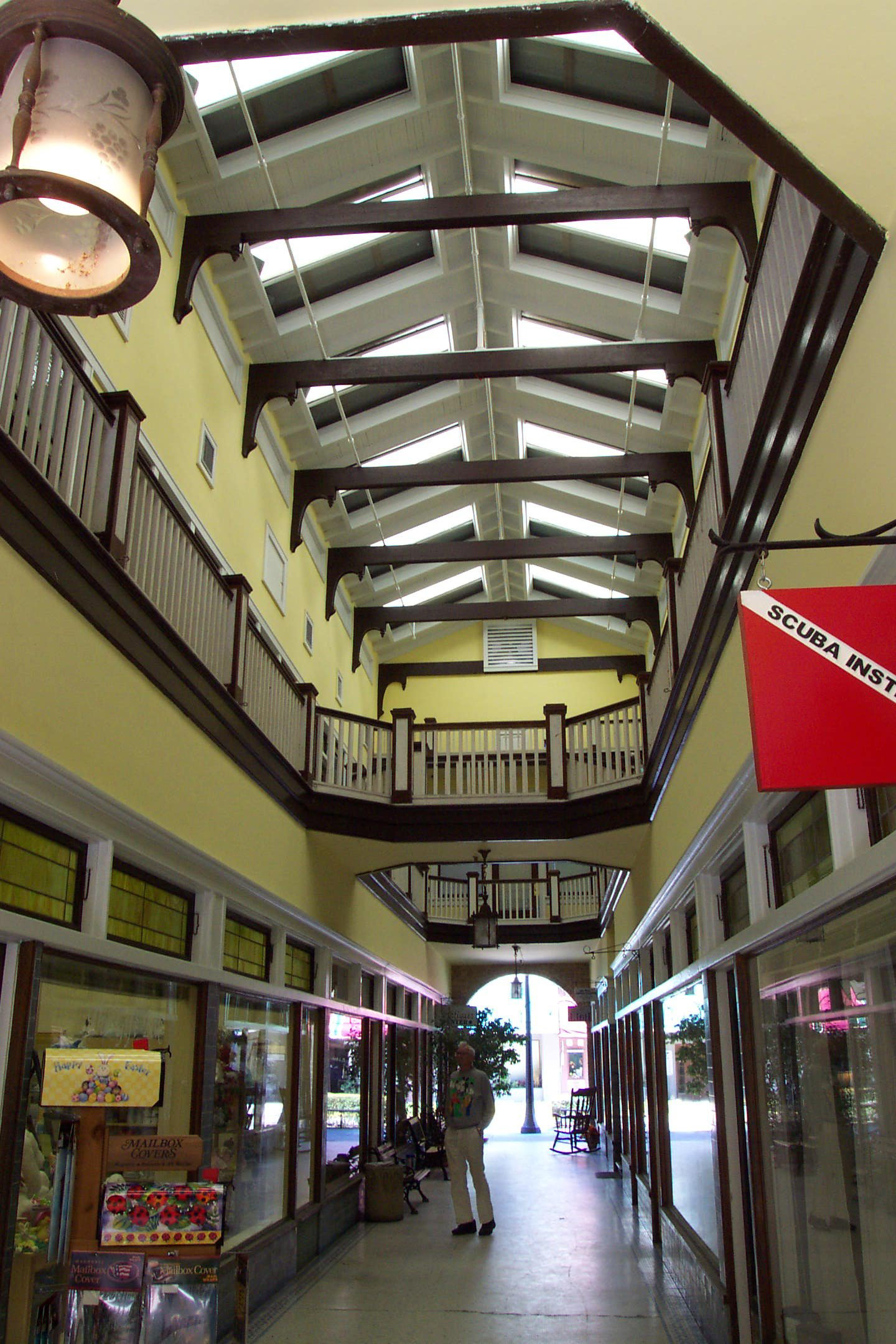
Downtown Lake Wales is compact and small, but that has helped preserve its architectural heritage.  At 229 East Park Avenue is the lovely 1924 RODESBILT ARCADE designed by Jesse T. Rhodes in a Mediterranean Revival style.  If you think the arched  entranceway is going to reveal a gorgeous interior and ceiling, you are correct.

lake-wales-arcade7

Next door is the two-story 1920 J. Y. RHODES BUILDING (255 East Park Avenue) and the LAKE WALES PHARMACY (245 East Park Avenue) started by pioneer T. J. Parker.   Lake Wales hasn’t allowed ugly modern buildings break up the downtown profile.

Across the street was one of the centers of Land Boom activity: the 1919 WESTERN UNION BUILDING (340 East Park Avenue).  At 250 East Park Avenue is the 1915 LAKE WALES STATE BANK, a Greek Revival brick structure with powerful Tuscan columns.

lake-wales-gibson-building

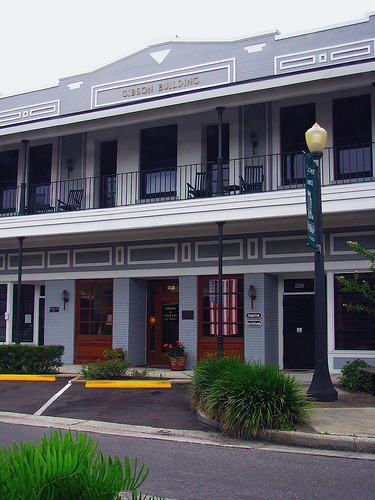
On the next commercial street Stuart Avenue are two of Lake Wales most attractive structures: the 1926 two-story GIBSON & LILLY BUILDING with its iron posted Mediterranean style, and the SCENIC THEATER (254 East Stuart Avenue) whose 400-seat capacity in 1920 showed the builders hoped for a high society community.

Nearby is the block-long two-story 1919 BULLARD BUILDING that at one time housed a drug store, barber shop, post office, and meat market at once.

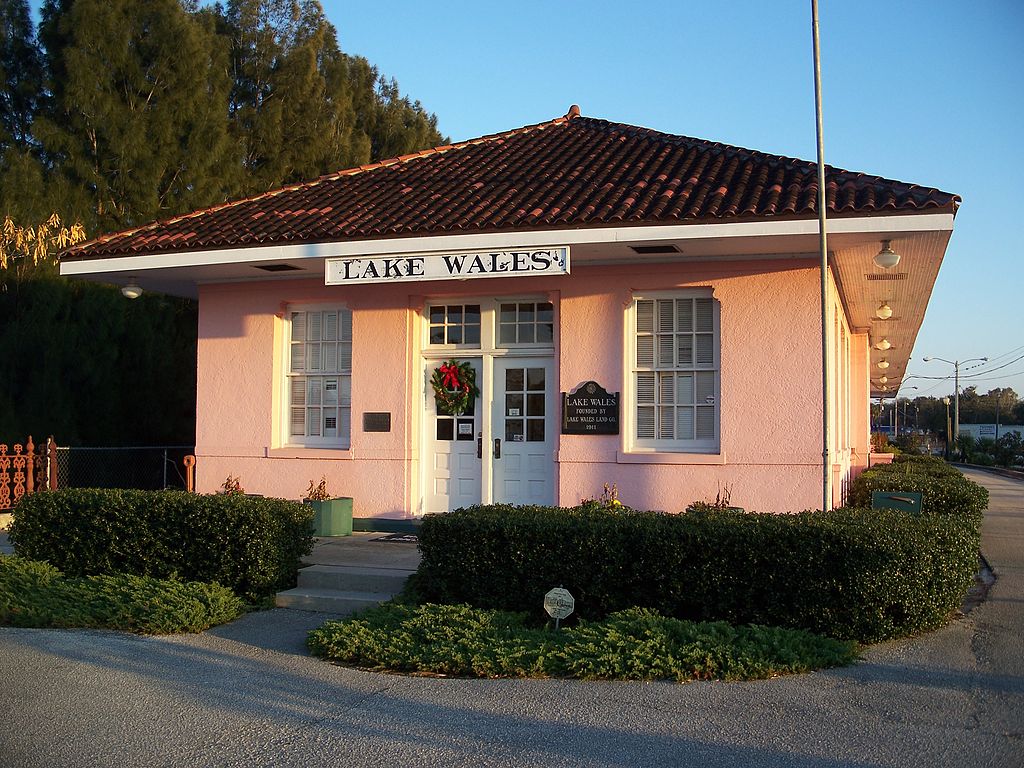
OTHER BUILDINGS:  Driving along the Scenic Highway (ALT US 27), you will locate other spots but you should go first to the Depot Museum at the 1928 ATLANTIC COAST LINE DEPOT (325 South Scenic Highway), one mile north of downtown.  The Depot has a historic guided tour map of Lake Wales and lots of interesting artifacts.

POLK co -Lake_Wales_ACL_depot01

LAKE WALES ART CENTER (1099 Hesperides Road) was the Church of the Holy Spirit, a Spanish Colonial masterpiece with a bell tower.  Located on the crest of a hill, the views of the region are beautiful.

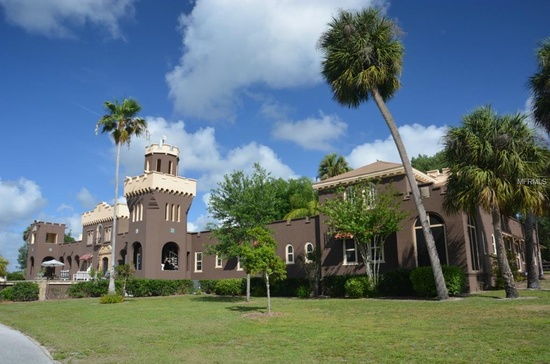
The most spectacular house is two miles northeast on Lake Amoret: the 1923 mansion of realtor I. A. Yarnell known as CASA DE JOSEFINA.  The 25-room estate with its 9 bedrooms and 8 bathrooms looks more Moorish than Mediterranean and has an exotic parapet.

floridatraveler-lakewales-casafrontage

floridatravlerlakewales-casajoint

Posted in florida history | Tagged , , , , , | Leave a comment

Halloween Is A Creepy Big Business In Florida

In recent years Halloween has become a big fund-raiser for organizations and non-profits from zoos to parks.   In Florida Halloween has become a big business.

Considering the fact that October was once considered a between time for vacationing in Florida, Halloween special events have drastically boosted revenues at Florida’s major theme parks.  They are so popular, the ghosts are now arriving six weeks before the actual Halloween night.

Although my wife and I have been annual pass-holders at Walt Disney World since the Florida-resident oriented tickets have been offered, we would have to pay extra to visit Mickey’s Not So Scary Halloween at the Magic Kingdom.

floridatravelerMickey’s-Not-so-Scary-Halloween-Party-Horsemean

These special events which require additional expenses are often a big surprise to families planning a Disney vacation on a budget.  This year’s G-rated spook show runs from September 15 to November 1.   And guess what?  Mickey’s Very Merry Christmas Party starts weekends November 8th to December 18 with more added ticket costs.

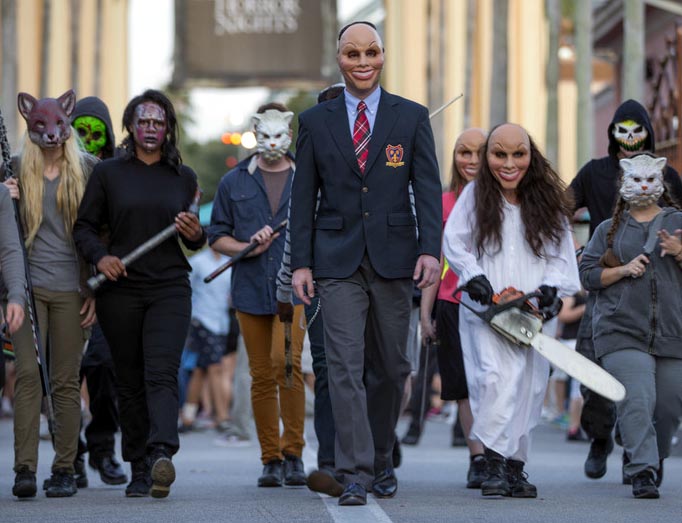
Universal Studio’s R-rated Halloween Horror Nights attracts teens and young adults in record numbers.  Unlike Disney guests are not allowed to wear costumes although one might debate that fact when you see what people wear.  And of course, as a special event, it requires a special ticket.

floridatraveler Halloween-Horror-Nights-orlando

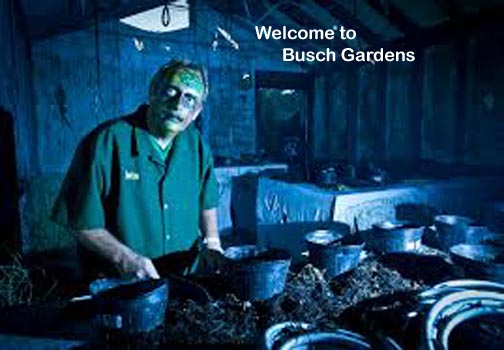
Busch Garden’s Howl and Scream resembles Universal’s mature theme.  At least they allow all the animals to go to bed without seeing all the monstrous activities.

floridatravelerhowloscreambusch 2

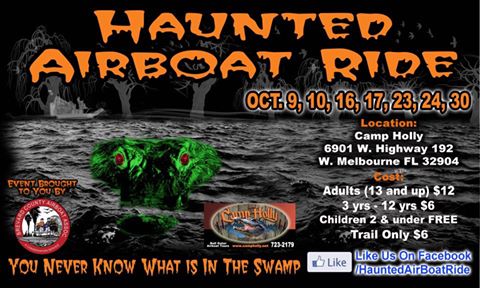
At least there are some Halloween groups that take a more natural approach to operating a scare show.  Off US192 in Melbourne Camp Holly takes visitors on a Haunted Airboat Ride up the spooky St Johns River swamplands to a haunted campground.   Red-eyed alligators stare at the boaters and even a wild boar or to joins the program.

floridatravelerhaunted airboat ride

Posted in florida history | Tagged , , , , , | Leave a comment

Brooksville Preserves Its History Well

BROOKSVILLE, located 50 miles north of Tampa, is a wonderful city of hills, ranging in elevation from 175 to 274 feet. Coupled with its condensed area (2.77 square miles) and its long history of successful planters, growers, and cattlemen, Brooksville is more a reflection of “the Old South” than other West Coast towns. Its Southern background is reflected in its name, honoring South Carolina Congressman Preston Brooks who is best noted for hitting abolitionist Senator Charles Sumner on the head with Sumner’s cane.
floridatraveler brooksville-banner

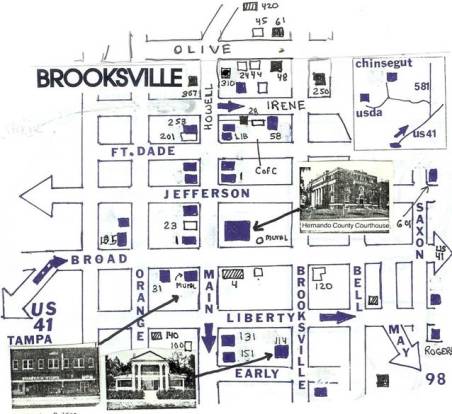
WHERE TO START: You can reach  Brooksville from the east off I-75 or from the south on US41 (BROAD STREET)

Just past Lemon Street, you’ll notice on FIRST METHODIST CHURCH, 109 South Broad which was organized in 1891.

CROSS ORANGE, unless you wish to take a short detour north on Orange to the JOHN J. HALE HOUSE (A), a 3-story 1888 frame house owned by a merchant and railroad trustee. Note how the breezeway that once separated the kitchen is enclosed.
floridatraveler brooksvillemap

At 31 Broad is the PRESBYTERIAN CHURCH BUILDING, converted in 1947 by Henry Carlton Sr. into new location for his grocery founded in 1910.  Up the road at 120 Broad is the DIXIE THEATER (1926), where the only talkies are businessmen doing commerce.

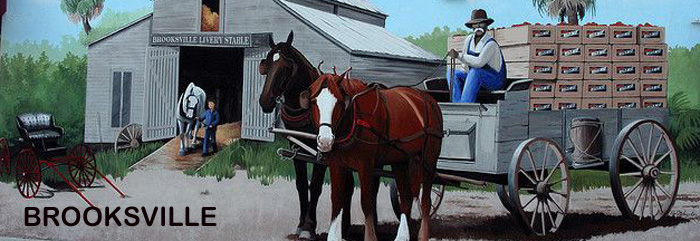
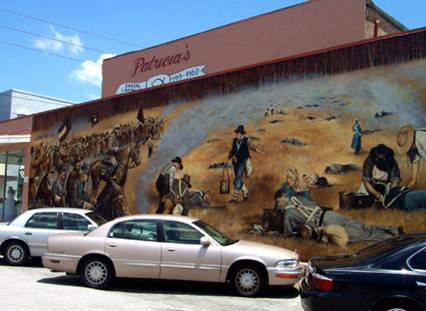
The next intersection is the center of Brooksville. At 1 Main Street is the FIRST NATIONAL BANK (1910), a two-story brick structure with its original cast iron columns.  On the south-side of Broad you should see the massive wall mural of “The Brooksville Raid” by Antonio Caparello.  The walls of buildings in Brooksville have several neat historic murals in the downtown area.
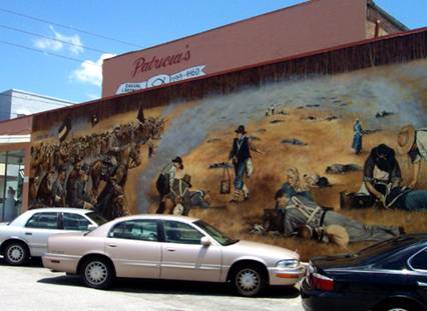
floridatravelerbrooksvillemural

In the northeast corner stands the HERNANDO COUNTY COURTHOUSE (1913), a rectangular Classical Revival brick edifice designed by William A. Edwards, complete with Ionic columns. Despite two major additions over the years, the courthouse has remained one of the most photographed public buildings in Florida.

TURN LEFT (north) ON MAIN STREET (called Howell above Broad). At 115 North Main is R.RDINGLE DEPARTMENT STORE (1912), one of the early large firms. CROSS JEFFERSON STREET. On your left is BACON’S DRUGS (1926) and on your right the notable HERNANDO STATE BANK (1905), where J. A. Jennings was first President.

At 115 North Howell is WEEKS HARDWARE (1913), a two-story brick owned by John Weeks, first President of the First Federal Bank. Across the street is the J. M. ROGERS DEPARTMENT STORE (1912), 120 North Howell.

CROSS FORT DADE. On the right you can stop and get more local information at the CHAMBER OF COMMERCE . 101 Ft. Dade Avenue, or at the nearby  1950  FREDERICK EUGENE LYKES JR LIBRARY, a great resource for local history..

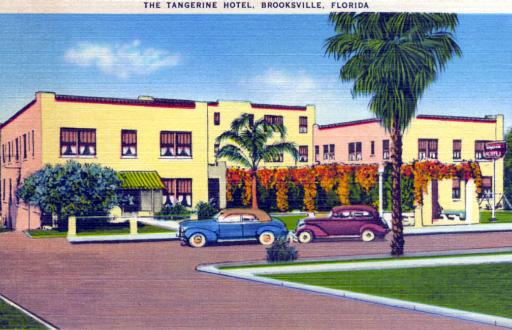
As you go north the road curves and becomes Howell.  At 201 Howell is the 1970 CITY HALL.  At 253 North Howell (Howell) is the W. A. FULTON HOUSE (1880), a lovely 2-story double verandah home of the organizer of the Florida Citrus Exchange. Look carefully to see where the dog trot design once existed.  At 307 Howell is the TANGERINE PLACE (1925), a mission style hotel where in 1931 City Attorney Herbert Smithson was gunned down by rum-runners. Across the street at 310 Howell is the 1905 ROY CLEF HOUSE a lovely Colonial Revival.
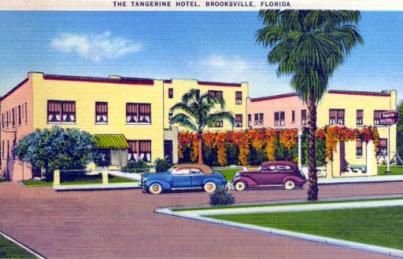
floridatravelertamgerinehotelbrooksville

Brooksville’s residential streets are lined with interesting buildings and often covered by huge oak trees. If you are driving you might want to go block by block as far as Bell Avenue, where the OLD HERNANDO HIGH (1925) is located.

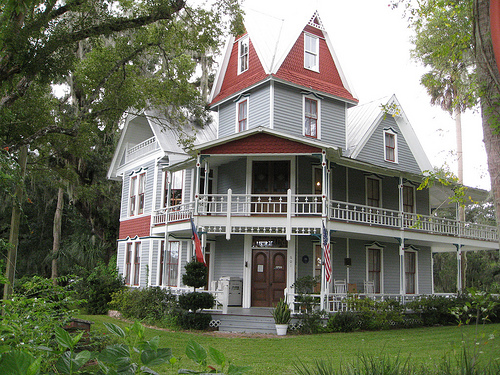
If walking, I would but skip tree-lined IRENE (you can see it later) and TURN RIGHT ON OLIVE STREET. At 61 Olive is the ST ANTH CATHOLIC CHURCH (1908). nicely converted into a cool, private dwelling. (I wonder if there is a church cemetery in back.) At 48 Olive is the most noted Brooksville home, the residence of GOVERNOR WILLIAM SHERMAN JENNINGS  (1880). The three-story frame house has a wonderful octagonal bay tower and is in fine condition. Jennings was Governor in 1900 and his wife May Mann, a leader for women’s rights, started the Florida League of Women’s Voters.
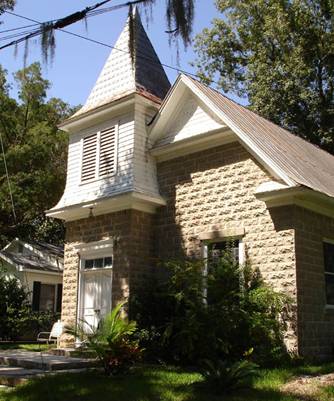
floridatravelerbrooksvillecathch

GO DOWN BROADWAY and turn into IRENE where you’ll love the old road and the W.E. LAW HOUSE (1890) a Colonial Revival at 58 Irene.  The backside of the larger Olive Street houses shows some old barns.

 RETURN TO MAIN STREET, heading south past the Courthouse. At the southeast corner at 2 Broad Street is   the J. A. JENNINGS BUILDING (1915), a two-story brick vernacular started by the city’s first clerk (1880). South Main has a lot of older commercial buildings including the 1885 GRIMSLEY COUNTRY STORE BUILDING, at 100 S. Main. At 131 South Main is the 1931 BROOKSVILLE WOMAN’S CLUB

CROSS LIBERTY STREET. At 140 South Main is DOGWOOD STATION (1919), a popular place to shop. At 210 South Main is MONTAINEER ANTIQUES (1925) in a classic Sears & Roebuck catalog house.

TURN RIGHT ON EARLY and drive to BROOKSVILLE/MAGNOLIA. TURN RIGHT to see the fine OWEN WHITEHURST HOUSE (1896), 321 South Brooksville, a two-story double veranda house. TURN AROUND GOING ORTH ON BROOKSVILLE to 133 South Brooksville and the COOGLER HOUSE (1910). Theodore Coogler came from South Carolina as an early settler. Colonel F. B. Coogler was the town’s first treasurer (1880).

YOU’LL NEED YOUR CAR TO DRIVE EAST ON LIBERTY:  At Liberty and Saxon Avenue is the once famous: ROGER’S CHRISTMAS HOUSE where. Mary Roger’s Christmas gift shop once attracted visitors for miles around when in 1972 she turned a bookstore into a popular Christmas store complex.  The store closed in 2014 but her legacy to Brooksville will be remembered.  Next door is the 1864 FRANK SAXON HOMESTEAD, a Queen Anne Revival restored by Mrs. Rogers.

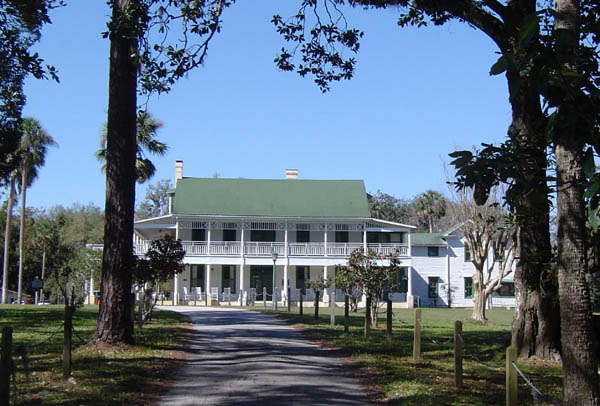
YOU MUST VISIT the HERITAGE MUSEUM, 601 Museum Court at 600 West Jefferson, located in the 1850 Stringer House, a Queen Anne masterpiece with a four-story tower. F. L. Stringer was a State Senator and judge.
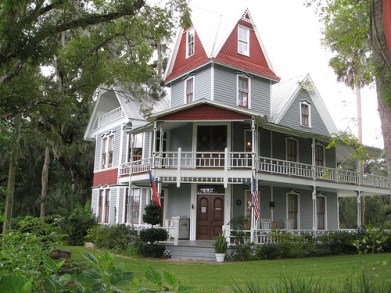
floridatravelerbrooksvillemuseum

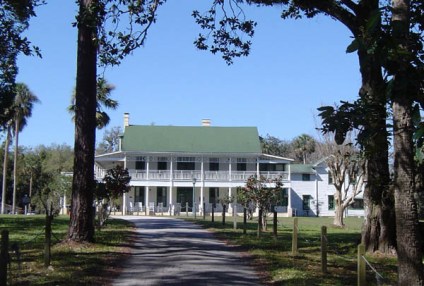
 CHINSEGUT HILL, located five miles north off US41 by Lake Lindsey is worth the drive. Colonel Byrd Pearson of Columbia, South Carolina, founded the plantation. His daughter wed Governor Francis P. Fleming. Colonel Raymond Robins, social economist and Progressive Party leader, owned the estate for years and donated 2,000 acres to the State. Today University of South Florida uses the mansion for private retreats, but the exterior of the house ion a hill is beautiful.
floridatravelerusfdomain

Posted in florida history | Tagged , , , , , | Leave a comment

Everglades City: Still Florida’s Last Frontier

You can’t travel any further south along the Florida’s Gulf of Mexico than EVERGLADES CITY and CHOKOLOSKEE, at the entrance to the Western Everglades.  In many ways this area is still Florida’s last frontier,  a place for fishermen and nature lovers and people who want to keep a low profile.

floridatravelereverglades-cityairview

These villages were isolated  frontier until 1923 when Barron Collier made Everglades City the seat of Collier County and supply depot for the construction of the Tamiami Trail highway across the Everglades. . Prior to the boom, this isolated region was Florida’s last outpost for fur trappers, plumage hunters, Cuban fishermen, and people with a disdain for modern civilization.

Everglades City can only be reached by BOAT or DRIVING SOUTH ON FL29, past the 1926 Everglades High School, pride of a town that has lost population since 1930. A. You’ll notice houses on stilts and air boat rides along the river.

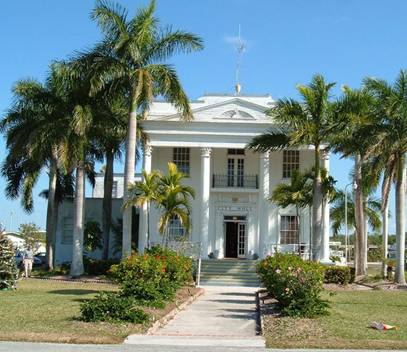
TURN RIGHT ON BROADWAY, past the Spanish-style railroad depot with its barrel tile roof and past the frame Community Church. You won’t miss the OLD COLLIER COUNTY COURTHOUSE, a 1926 four-columned Greek temple that seems totally atypical for a small village. But this town once had a trolley and other touches of civilization during the Florida Land Boom.

At Shorter Avenue is the (1) COMPANY LAUNDRY BUILDING (1928) (now the Chamber) and the (2) BANK OF EVERGLADES (1926) which is probably the strangest setting for a fine bed and breakfast and spa you’ll ever see.

floridatravelerbankofeverglades

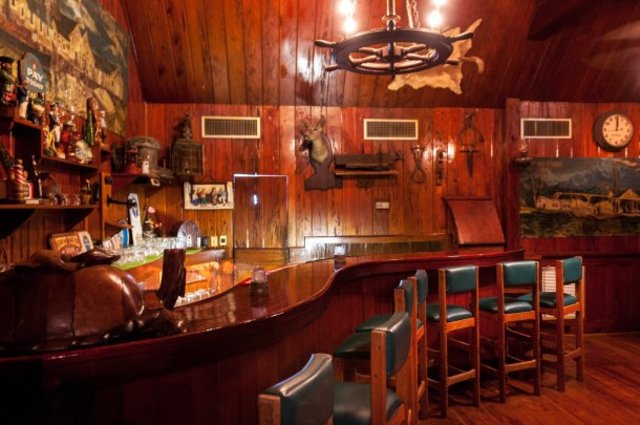
At 200 Riverside Drive by Broadway is the wonderful ROD AND GUN LODGE (1890), built by Collier to entertain friends, but expanded to serve tourists. Go inside and imagine Ernest Hemingway and Ted Williams having a drink at the bar after a serious day of bone-fishing in the Ten Thousand Islands. This is a unique place to stay or eat or rent a boat.

floridatravelerrodandgun1

floridatravelerROD&GUNbar

CONTINUE SOUTH ON FL29 to reach CHOKOLOSKEE ISLAND, but stop at the 80-foot E. J. HAMILTON OBSERVATION TOWER for a view of the 10,000 Islands or visit the EVERGLADES NATIONAL PARK HEADQUARTERS, which has boat tours into the Everglades’ Western limits.

This area looks like a wonderful outdoor wilderness,  but please remember that between May and October, this tropical areas are the domain of mosquitoes and bugs. A small causeway takes you to CHOKOLOSKEE ISLAND,  150-acre mound of land in a shallow inland sea.  A large campround and RV park dominate the northern tip of the island, but as you drive southward you’ll see rustic old cottages.

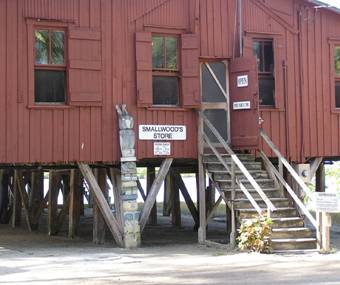
Follow the signs to the amazing (3) SMALLWOOD STORE (1917), a one-story board and batten trading post on pilings. Ted Smallwood once owned the entire island in 1896 and his structure was grocery, post office, and symbol of the end of the Florida West Coast.

floridatravelersmallwoodstore1

 Here Seminole Indians came by boat to trade furs for food items.  It was in front of the store that the locals gunned down the notorious outlaw Edgar Watson, who kidnapped workers for his gruesome sugar cane plantation hidden in the swamps.

Look south into the swamps and imagine the Seminoles arriving by canoes.

Posted in florida history | Tagged , , , , | Leave a comment

Boca Grande: Florida’s Most Laid Back Retreat For The Rich

Once I ordered an ice cream at the converted railroad depot at Boca Grande and behind me an elderly woman with white hair and huge sunglasses remarked, “That looks good.  I’m going to get one.”

It was only as I watched the lady leave the store and waved to a man on a bicycle that I realized I just met former First Lady Barbara Bush.  That’s the way things happen at Florida’s most laid back hideaway for celebrities and the wealthy.

floridatravelerbocagairview

BOCA GRANDE, located on a dual county island at the mouth of Charlotte Harbor, is best known as America’s tarpon fishing center. Once a small phosphate export port, Gasparilla Island remained famous for its tarpon fishing plutocrats until the construction of a private toll bridge by Robert Baynard in 1955.

The discovery of the isolated island’s charms by successful Florida professionals meant  the building of expensive beach villas.  Even today this is an island with no high rise hotels and condos, no fancy nightclubs, and a downtown that still resembles a small fishing port.

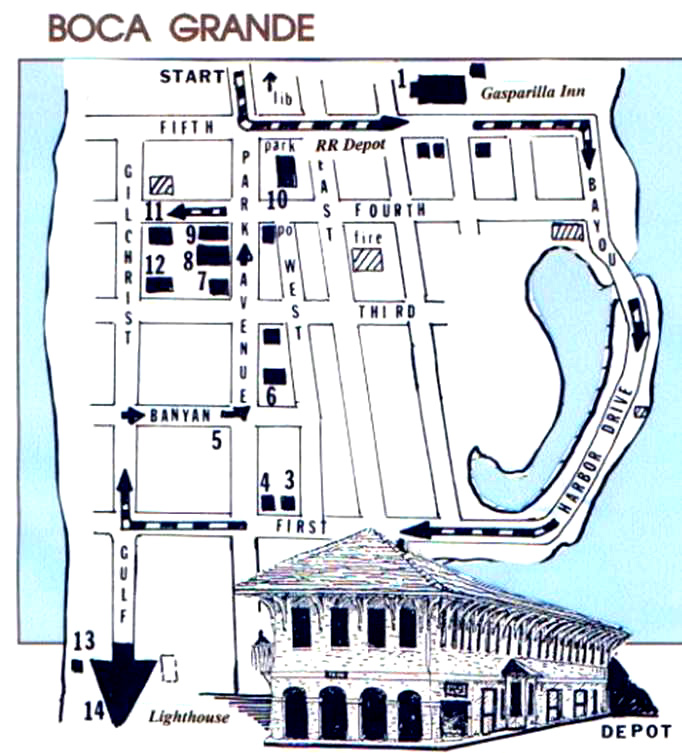
WHERE TO START: Start in front of the island’s pride, at the corner of Fifth Street and Palm Avenue, the: (1) GASPARILLA INN(1912), a large pale yellow frame Victorian hotel with a Classical portico and a colony of cottages and rooms built around the golf course.

floridatravelerbocaghotel

An Arcadia phosphate executive Peter Bradley allied with James F. Gifford, President of the Charlotte Harbor and Northern Railroad, to build the luxury winter resort. It’s hotel registrar may still read like a “Who’s Who”, but you won’t get to read it for low key privacy is the rule here.

DRIVE EAST ON FIFTH AVENUE along the golf course toward Boca Grande Bayou.

flordatraveler bocamap

TURN RIGHT ON BAYOU AVENUE toward HARBOR DRIVE and the yacht basins. Here are charter boat centers and places to stop for lunch. In tarpon season there will be fishermen from around the world. Once in the peak of the winter, Katherine Hepburn was observed eating with some retired school teachers.

CROSS WEST AVENUE past the  (3) COMMUNITY HOUSE and the (4) COMMUNITY CENTER. PASS PARK AVENUE and TURN RIGHT ON GILCHRIST. THEN, if your car fits, TURN RIGHT ONTO (5) BANYAN STREET, an amazing gnarl of shady banyan trees planted on both sides by Peter Bradley.

TURN LEFT ON PARK AVENUE. On your right is the interesting: (6) OUR LADY OF MERCY MISSION CHAPEL, a replica of a Spanish style mission with brick floors, but featuring a circular entrance way. You should stop to go inside to admire the fine woodwork and the real Madonna Icon of Russian design.

floridatravelerbocagbanyantree

GO TO THIRD  STREET. On the corner to your right is the (7) BOCA GRANDE THEATER (1924), once used as a restaurant and now a local theater showplace. As you enter you’ll see an unusual open atrium, an odd theatrical design.

A few doors down is the (8) CHAMBER OF COMMERCE. At the end of the block on your right is the POST OFFICE. On your left is (9) FUGUTES (1916), the town’s mini-everything store founded by Jerome Fugate Sr., and visited by everyone sooner or later.

Across Fourth on the right is the wonderful  (10) BOCA GRANDE RAILROAD DEPOT (1910), an impressive two story structure which now houses antique and gift stores and an ice cream parlor/restaurant. The brick structure with the arcaded loggia was the last depot for the Charlotte Harbor & Northern Railway.

floridatravelerbocagloose

TURN LEFT ON FOURTH AND LEFT ON GILCHRIST AVENUE, the route to the southern tip of Gasparilla Island. On your left is the (11) ST. ANDREWS EPISCOPAL CHURCH, a country-style church. Go inside to view the round stained glass window over the alterand notice the communion rail kneelers in needlepoint.

At the end of the block is the (12) UNITED METHODIST CHURCH with a plaque to Mary Frances Thompson. A HALF MILE DOWN Gilchrist you’ll see the (13) COAST GUARD LIGHTHOUSE (1927), a narrow electric beacon designed to replace the notable antique. at the island tip. Across the street was the site of the BOCA GRANDE HOTEL (1930), a three story, 200 room resort by Italian immigrant Joseph Spadara. Hurricane Donna destroyed it in 1960.

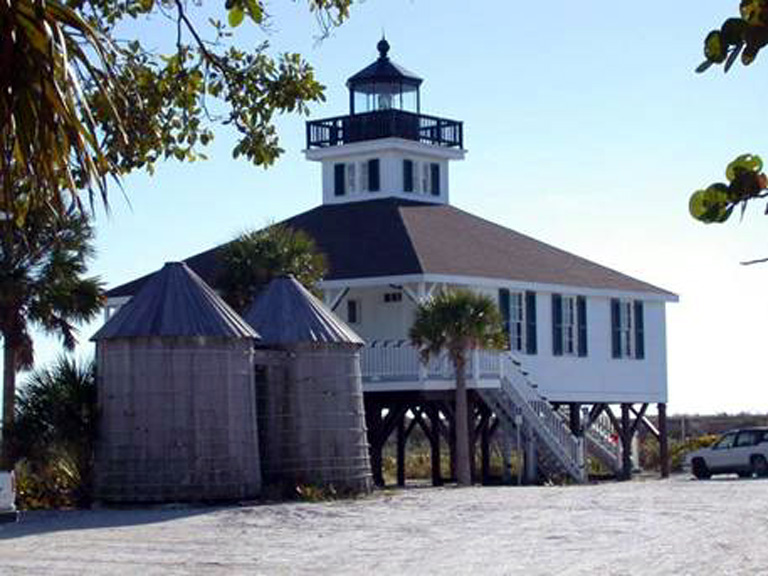
CONTINUE DOWN TO THE SOUTHERN BEACH to the 13 acre Gasparilla Island State Park. You’ll have to walk down the beach to the beautiful (14) GASPARILLA ISLAND LIGHTHOUSE (1890) and its matching keeper’s house. By the parking lot is a little seaman’s CHAPEL popular for waterside weddings.  This is my favorite lighthouse in Florida, not just because it was near where I lived in Englewood, but because there is a museum inside and it has two neat structures.  A 145-mph hurricane went across the island and sucked souvenirs goods out of the gift shop, but didn’t hurt the structures.

floridatravelerbocaglighthouse

SHELL COLLECTORS SPECIAL: STOP BY THE JOHANN FUST LIBRARY (1949) on Gasparilla on 9th Street to see the shell collection donated by winter resident Henry Francis DuPont. Another interesting spot is JOURNEY’S END (1914), on the Gulf at 18th Street, a complex of four two story cottages built of virgin pine from Arcadia.

Posted in florida history | Tagged , , , , , , | Leave a comment

Visit A Florida Museum This Saturday on Museum Day

This Saturday is the 11th Annual Smithsonian Museum Day and the opportunity for people to go online and get two free tickets to museums that may cost up to $15 dollars a ticket.

In Florida there are 97 museums to select – 27 in the Orlando area, 26 in the Miami area, and 20 in the Tampa Bay area.  Florida’s two best art museums – The Ringling Galleries in Sarasota and the Norton Museum of Art in West Palm Beach – are included on the list.

As a historian I have a preference to promote history museums and while the State Museum in Tallahassee is far distant for many Floridians and tourists, there are two great regional history museums I love.

floridatraveler TAMPA BAY HISTORY MUSEUM

The Tampa Bay History Museum sits on the waterfront of Downtown Tampa’s booming Channelside district and features the story of the region from For Brooke and the Seminole Wars to Cigar City USA to modern times.  As a great bonus the Columbia Restaurant offers a cafe dining experience in the museum.

floridatraveler COLUMBIA CAFE TAMPA BAY HISTORY MUSEUM

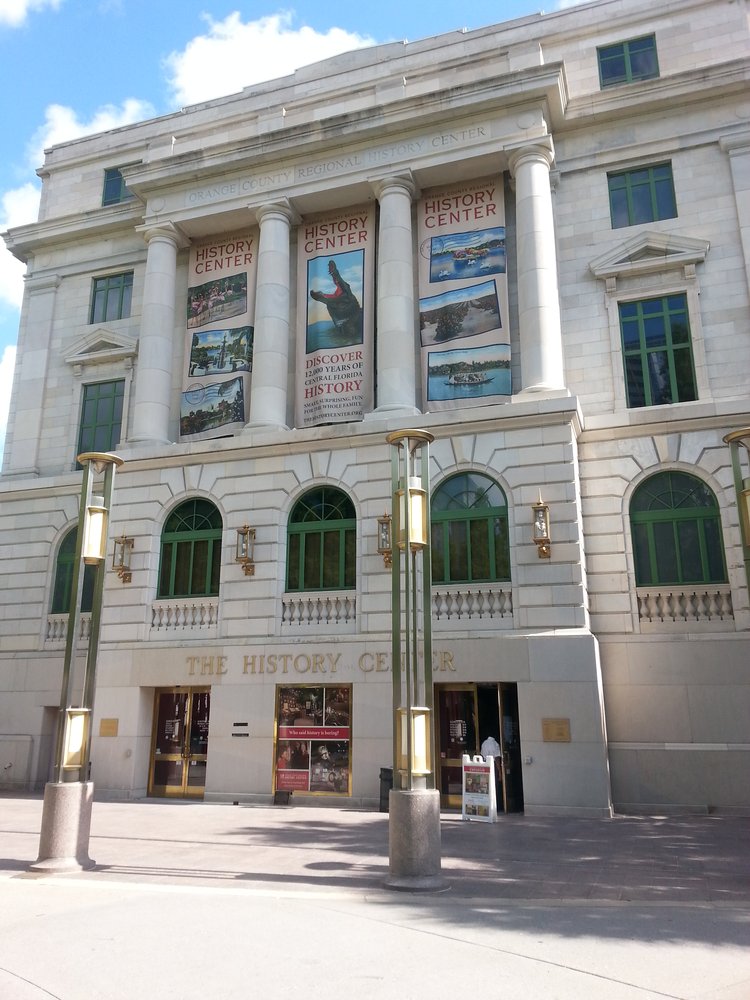
Orlando took a downtown five-story 1927 county courthouse on Central Boulevard and turned it into the Orange County Regional History Center.  The museum covers the story of the entire Central Florida area before it became the domain of the Mouse.  They even maintained an entire courtroom for the kids to play judge.

floridatraveler ORANGE COUNTY REGIONAL HISTORY CENTER

My favorite cultural museum is Ah-Tah=Thi-Ki Museum located off FL 833 on the Big Cypress Indian Reservation.  With contributions from famous nature photographers and anthropologists and artists, the museum captures the story of the Seminole Indians and their adjustment to life in the Everglades.  You can walk out the back door to a broadwalk into the reality of the swamp.

floridatraveler AH TAH THI KI MUSEUM

I greatly appreciate small towns preserving their history and a museum that few people have visited the Camp Gordon Johnson WWII Museum located in the Carrabelle City Complex in the Panhandle Gulf of Mexico port.  Here was the site of a WWII military base that trained over 250,000 amphibious soldiers and the museum honors the training and performance of these brave Americans.

floridatraveler CAMP GORDON JOHNSON MUSEUM1

Posted in florida history | Tagged , , , , , , , | Leave a comment

America’s Wierdest Ghost Town Is In Florida

Koreshan State Park, south of Fort Myers in Estero, is a wonderful place to camp, fish, picnic, take your dog for a walk, and even kayak to a famous Indian Mound in Estero Bay.

floridatraveler koreshan estero river

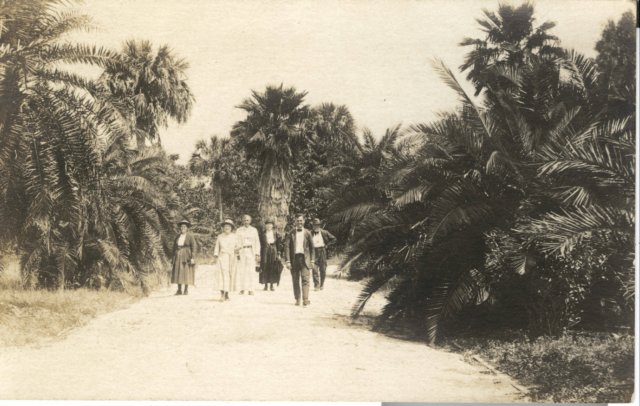
It is also the home to America’s weirdest ghost town for the park contains eleven buildings, constructed from 1882 to 1920, by an unusual sect known as Koreshan Unity.  In fact its last four remaining members donated the beautiful village to the State of Florida in 1962.

Florida’s frontier wilderness was an ideal location for controversial and unorthodox groups of people like this communal group to settle and this was probably the largest and most unusual community in the South.

floridatraveler koreshan group1

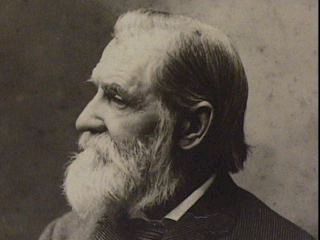
Koreshan Unity began in the 1870’s in New York when people became followers of DR. CYRUS REED TEED, who took the name Koresh (Hebrew for Cyrus).  His new faith was called KORESHANITY and its most unique concept was that the entire universe existed within a giant, hallow sphere.

floridatraveler korehsna karesh1

In 1894, “the Great Koresh” as critics proclaimed him, arrived in Estero, Florida, a tiny farming settlement south of Fort Myers.   Here they built a strange communal colony where three groups of participants lived: the non-believers or PATRONS of EQUATION, who could marry, have kids, and join in civil activities.

The middle ground of people were the DEPARTMENT OF EQUITABLE ADMINISTRATION, people who could have sex but only to reproduce more members.   The elite or CELEIBRATE or COMMUNAL, could not wed and practiced celibacy.  Thus, there were houses with families and houses with only men or women.

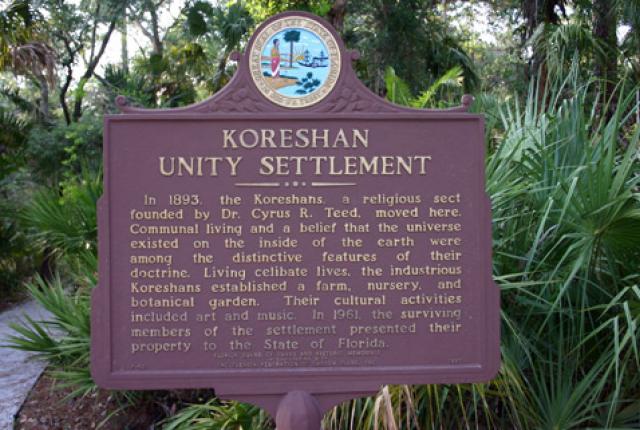
floridatraveler koreshan plaque1

Teed’s death in 1908 started the gradual decline of a community where the most avid followers couldn’t have children.  In 1961 the last remaining members deeded the land with its unusual tropical gardens to the State of Florida.

The Koreshan group were active conservationists, planting gardens and practicing skillful farming.  In 1906 they formed a Florida chapter of the Progressive Labor Party and tried to incorporate Estero, but their declining numbers and divisions within their ranks undermined their political efforts.

floridatraveler koreshan hall1

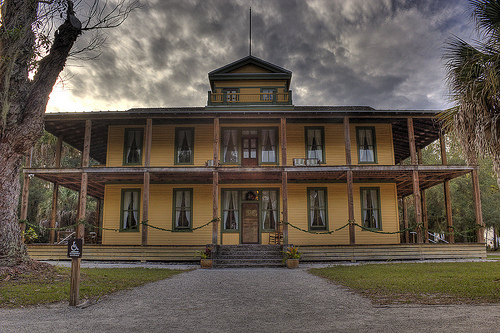
Walking around the Koreshan Unity community is a fascinating way to see how a utopian communal group survived in the wilderness.  A shell path leads from the campground into the village where the PLANETARY COURT BUILDING (1903) housed the women of the Planetary Council who governed the colony.  (Yes, female rulers.)

The two-story wooden house is the FOUNDERS HOME or MASTERS HOUSE (1896), built by Koresh and the site of most educational training.

floridatraveler koreshan cottage1

The path on the right leads to the amazing ART HALL (1905), filled with the wonderful art work of Unity members.  There are instruments from the community band.  Most odd are the scientific objects designed to explain the Koreshan theory of the universe and the Cellular Cosmogony where the earth is a hallow sphere in which is the sun, moon, and stars.

floridatraveler koreshan art hall1

There are many small cottages like the GUSTAVE DUMKOHLER COTTAGE (1900).  The colony was headquartered in Chicago where most of the Florida group originated.

The self-sufficiency of the community is seen in the large BAKERY next to the VESTA NEWCOMB COTTAGE and MEMBERSHIP COTTAGE. The large MACHINE SHOP and the ELECTRIC GENERATOR BUILDING dating from a later period show the community did not want help from the outside world of non-believers.

floridatraveler koreshan bakery1

When Koresh died, he was buried in a giant tomb (wiped out by storms since it was near the beach) said to have a stairway out since he said he would return.  He never came back and without his recruiting the colony dwindled.

Posted in florida history | Tagged , , , , , , | 2 Comments